COVITRAP
PROJECT

5th Joint Call: COVITRAP

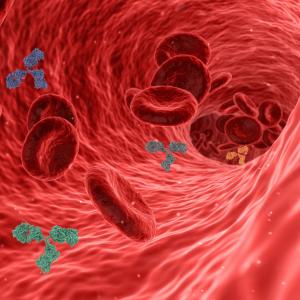
The proposal aims to develop and implement a portfolio of scFv antibodies targeting SARS-CoV-2 spike proteins for diagnostic and therapeutic applications. COVITRAP will generate scFv-based diagnostic devices and scFv-polymer therapeutic scaffolds, enhancing virus detection and inhibition strategies against COVID-19.
Posted on

Background

The COVID-19 pandemic highlighted the urgent need for novel diagnostic and therapeutic tools. Current tests and treatments face limitations in sensitivity, specificity, and adaptability to viral mutations.

Single-chain variable fragment antibodies (scFvs) offer advantages due to their stability, modularity, and ability to target specific viral epitopes. By immobilizing scFvs in diagnostic devices and embedding them in polymeric scaffolds, it becomes possible to combine precise detection with therapeutic inhibition. Cryo-EM and surface plasmon resonance studies further strengthen the ability to select optimal antibody variants.

The project

COVITRAP pursues the following objectives:

  • Develop a diagnostic tool with scFvs immobilized on glass-based microdevices, integrated with DLS and spectrophotometry detection systems.
  • Optimize scFv portfolios through epitope screening and structural analysis, ensuring coverage of diverse viral binding sites.
  • Design scFv-polymer therapeutics using site-specific functionalization for multivalent virus binding and inhibition.
  • Validate antibodies and scaffolds in BSL-3 laboratories with clinical SARS-CoV-2 isolates.
  • Establish a translational pipeline from scFv discovery to diagnostic prototypes and therapeutic candidates.

The science

The consortium integrates expertise in microengineering, polymer chemistry, and infection biology:

  • Ghent University (Belgium): Development of diagnostic microsystems with optical detection.
  • Fraunhofer IAP (Germany): Protein–polymer conjugation, scFv immobilization, and therapeutic scaffold design.
  • Universitas Padjadjaran (Indonesia): BSL-3 laboratory validation of scFv antibodies and therapeutic candidates against SARS-CoV-2 isolates.

The team

The COVITRAP partners are:

  • Prof. Dr. Jeroen Missinne (Coordinator), Ghent University (UGent), Belgium
  • Dr. Ulrich Glebe, Fraunhofer Institute for Applied Polymer Research (IAP), Germany
  • Dr. Atik Nur, Universitas Padjadjaran (UNPAD), Indonesia


Contact:

Prof. Dr. Jeroen Missinne                        Email: jeroen.missinne@ugent.be 

Antiviralfun
PROJECT

5th Joint Call: Antiviralfun

The proposal aims to discover new antiviral compounds from filamentous fungi collected in Europe and Thailand. By integrating biodiversity exploration, natural product chemistry, and infection biology, Antiviralfun seeks to identify and characterize novel antiviral metabolites effective against RNA viruses, including Dengue virus and SARS-CoV-2.
Posted on

Background

Emerging and re-emerging viral infections such as Dengue and COVID-19 highlight the urgent need for new antiviral agents. Current antiviral options are limited, and broad-spectrum antivirals are rare.

Fungi represent a largely untapped source of bioactive secondary metabolites with antimicrobial potential. Previous collaborations among the partners have yielded novel antibiotics from endophytic and invertebrate-associated fungi. This project expands these efforts to antiviral discovery, leveraging established compound libraries and access to new fungal biodiversity.

The project

Antiviralfun pursues the following objectives:

  • Screen fungal metabolites from existing and newly collected species for antiviral activity.
  • Develop and optimize antiviral bioassays against Dengue virus and SARS-CoV-2, adaptable to future emerging viruses.
  • Characterize biological activities of promising compounds, including cytotoxicity, antifungal, and antibacterial properties.
  • Benchmark lead candidates against EU-OPENSCREEN’s pilot compound library.
  • Characterize producing fungal strains to ensure reproducibility and optimal production.
  • Deliver at least three comprehensively characterized lead compounds for further medicinal chemistry development.

The science

The project combines expertise in natural product discovery, infection biology, and biodiversity research:

  • Helmholtz Centre for Infection Research (Germany): Antiviral screening platforms, BSL-3 laboratories, and compound profiling.
  • National Center for Genetic Engineering and Biotechnology (Thailand): Biodiversity exploration and fungal metabolite discovery.
  • Institute of Microbiology, Czech Academy of Sciences (Czech Republic): Fungal taxonomy, metabolite extraction, and profiling.
  • EU-OPENSCREEN (Germany): High-throughput screening and compound library resources.

Expected outcomes include novel antiviral leads, validated assays for emerging viruses, and contributions to fungal biodiversity repositories.

The team

The Antiviralfun partners are:

  • Prof. Ursula Bilitewski (Coordinator), Helmholtz Centre for Infection Research, Germany
  • Dr. Jennifer Luangsa-ard, National Center for Genetic Engineering and Biotechnology, Thailand
  • Dr. Miroslav Kolarik, Institute of Microbiology, Czech Academy of Sciences, Czech Republic
  • Dr. Bahne Stechmann, EU-OPENSCREEN, Germany


Contact:

Prof. Ursula Bilitewski               Email: ursula.bilitewski@helmholtz-hzi.de 

NONEGON
PROJECT

5th Joint Call: NONEGON

The proposal aims to identify novel inhibitors of the enzyme 1-deoxy-D-xylulose 5-phosphate reductoisomerase (DXR) in Neisseria gonorrhoeae as a strategy to combat multidrug-resistant gonorrhea. By applying high-throughput screening, drug repurposing, and computational modeling, NONEGON seeks to deliver new antimicrobial leads that can progress toward clinical development.
Posted on

Background

Neisseria gonorrhoeae causes gonorrhea, the second most common sexually transmitted infection worldwide, with approximately 87 million new cases annually. The pathogen is listed as a high-priority organism by the WHO due to rapidly rising antimicrobial resistance, including strains resistant to ceftriaxone and azithromycin.

The DXR enzyme, essential in the methylerythritol phosphate (MEP) pathway for isoprenoid biosynthesis, is absent in humans but critical for bacterial survival. This makes it an ideal drug target. Previous studies have shown DXR inhibitors are effective in E. coli, Y. pestis, M. tuberculosis, and apicomplexan parasites. NONEGON aims to apply this concept to N. gonorrhoeae.

The project

NONEGON pursues the following objectives:

  • High-throughput screening of up to 100,000 synthetic compounds for DXR inhibition.
  • Drug repurposing screen of 6,500 approved drugs to identify candidates with immediate translational potential.
  • Natural product library screen including thousands of pure compounds and herbal extracts.
  • Structure-based virtual screening of millions of commercially available compounds.
  • Biological evaluation of promising hits for antibacterial activity, cytotoxicity, and ADME properties.
  • Prioritization of repurposed drugs with DXR activity for accelerated clinical progression.

The science

The project integrates computational drug discovery, molecular biology, and antimicrobial testing:

  • Fraunhofer IME (Germany): High-throughput screening and drug discovery expertise.
  • Yildiz Technical University (Turkey): Structure-based drug design, molecular docking, protein purification, and enzyme kinetics.
  • Mahidol University (Thailand): Infectious disease research, antibacterial testing, and translational studies.

This interdisciplinary approach maximizes the chances of identifying potent DXR inhibitors and provides a pipeline from virtual screening to in vitro validation and potential clinical candidates.

The team

The NONEGON partners are:

Dr. Björn Windshügel (Coordinator), Fraunhofer Institute for Molecular Biology and Applied Ecology (Fraunhofer IME), Germany

Prof. Dilek Balik, Yildiz Technical University (YTU), Turkey

Dr. Ratana Lawung, Mahidol University (MU), Thailand


Contact:

Dr. Björn Windshügel                Email: bjoern.windshuegel@ime.fraunhofer.de 

MicroLung
PROJECT

5th Joint Call: MicroLung

The proposal aims to develop a pulmonary blood-air barrier model to study COVID-19 pathogenesis and screen potential therapeutics. By combining tissue engineering and microfluidic systems, the project seeks to replicate the complex lung microenvironment, enabling more accurate studies of virus-host interactions and testing of nanoparticle-based therapeutic delivery.
Posted on

Background

The COVID-19 pandemic underscored the urgent need for advanced models of infectious respiratory diseases. Current cell culture systems fail to mimic the complexity of the human lung, while animal models lack essential properties of the human pulmonary blood-air barrier, often requiring costly humanized transgenic systems.

To advance understanding, there is a need for experimental platforms that reproduce the pulmonary microphysiology, particularly the alveolar epithelial cells targeted by SARS-CoV-2. Such models can reveal mechanisms of viral entry and progression, while supporting the evaluation of novel therapeutic interventions.

The project

MicroLung pursues the following objectives:

  • Develop pulmonary blood-air barrier models using microfluidic and tissue-engineered systems.
  • Design nanoparticles functionalized with ACE2-specific peptides to mimic viral binding and compete with SARS-CoV-2 for cell entry.
  • Engineer nanoparticles carrying antiviral agents for drug transport studies across the lung barrier.
  • Validate models with SARS-CoV-2 isolates in biosafety level 3 laboratories to compare nanoparticle results with actual viral behavior.
  • Foster transnational collaboration between partners for nanoparticle design, microfluidic systems, and virus validation studies.

The science

The consortium integrates complementary expertise:

  • Microfluidic and tissue engineering platforms to recreate the pulmonary barrier (ACU, Turkey).
  • Nanoparticle-based therapeutic delivery systems and functional testing (Fraunhofer IKTS, Germany).
  • In-vitro infection studies with SARS-CoV-2 isolates in biosafety level 3 facilities (UGM, Indonesia).

Outcomes include novel lung models for COVID-19 research, nanoparticle-based therapeutic concepts, and platforms applicable to other respiratory viruses beyond SARS-CoV-2.

The team

The MicroLung partners are:

Prof. Dr. Vasif Nejat Hasirci (Coordinator), Acibadem Mehmet Ali Aydinlar University (ACU), Turkey

Dr. Joerg Opitz, Fraunhofer Institute for Ceramic Technologies and Systems (IKTS), Germany

Assoc. Prof. Ika Dewi Ana, Universitas Gadjah Mada (UGM), Indonesia


Contact:

Prof. Dr. Vasif Nejat Hasirci           Email: vasif.hasirci@acibadem.edu.tr 

TimCovSEAEu
PROJECT

5th Joint Call: TimCovSEAEu

The proposal aims to characterize T-cell immunity to SARS-CoV-2 across Southeast Asian and European populations. By identifying T-cell epitopes recognized in diverse HLA contexts, the project seeks to advance understanding of immune responses, support vaccine development, and provide tools for long-term monitoring of protective T-cell immunity against COVID-19 and future coronavirus outbreaks.
Posted on

Background

The COVID-19 pandemic and earlier coronavirus outbreaks (SARS, MERS) demonstrate the ongoing threat of zoonotic spillovers. Vaccines inducing both antibody and T-cell responses against conserved viral regions are essential. However, T-cell epitopes vary across populations due to differences in HLA allele prevalence.

Most studies so far have focused on Caucasian populations, neglecting alleles like HLA-A*24:07, common in Southeast Asia. This project brings together partners from Indonesia, Thailand, and Germany to identify SARS-CoV-2-specific epitopes relevant to these populations, filling a major research gap.

The project

TimCovSEAEu pursues the following objectives:

  • Identification of T-cell epitopes: Use immunoinformatics algorithms (SYFPEITHI, NetMHCpan) to predict SARS-CoV-2 CD4+ and CD8+ epitopes for the most frequent HLA class I (15 alleles) and HLA-DR (6 alleles) in Southeast Asia.
  • Experimental validation: Conduct high-throughput ELISpot assays using PBMCs from COVID-19 convalescent donors to confirm T-cell responses.
  • Immunological characterization: Compare T-cell responses in COVID-19 convalescents versus uninfected individuals to assess immunity and memory.
  • Application for vaccines and immunotherapies: Provide candidate epitopes for multi-peptide vaccines and adoptive T-cell therapies.

The science

The consortium integrates computational prediction with experimental validation:

  • Immunoinformatics analysis of the SARS-CoV-2 proteome.
  • High-throughput epitope screening using ELISpot assays.
  • Comparative immunology across Indonesian, Thai, and European cohorts.
  • Clinical translation through collaboration with hospitals and immunotherapy centers.

Expected outcomes include novel epitope panels for monitoring T-cell memory, deeper insights into cross-population immunity, and candidate structures for next-generation vaccines and therapies.

The team

The TimCovSEAEu partners are:

Ph.D. Marsia Gustiananda (Coordinator), Indonesia International Institute for Life Sciences (i3L), Indonesia

PD Dr. med. Juliane Sarah Walz, Robert Bosch Center for Tumor Diseases, Robert Bosch Hospital Stuttgart (RBCT), Germany

Assist. Prof. Jaturong Sewatanon, Faculty of Medicine Siriraj Hospital, Mahidol University, Thailand


Contact:

Ph.D. Marsia Gustiananda               Email: marsia.gustiananda@i3l.ac.id