STAR-SOLAR
PROJECT

8th Joint Call: STAR-SOLAR

The proposal aims to apply a socio-technical approach to harness residential solar PV adoption. STAR-SOLAR integrates technical, social, economic, and policy perspectives to accelerate renewable energy transition through household-level solar PV systems, with innovative methods such as gamification and AI-based monitoring.
Posted on

Background

The shift towards Net Zero Emission requires rapid deployment of renewable energy, with residential solar PV offering high potential. However, adoption rates remain below expectations due to behavioral, socio-economic, and policy barriers.

Energy systems are not merely technical infrastructures but are shaped by social, environmental, economic, and political dimensions. Addressing all aspects together, rather than sequentially, is essential for a holistic and integrated renewable energy transition.

The project

STAR-SOLAR will:

  • Analyse current public knowledge, attitudes, and perceptions of solar PV.
  • Evaluate residential PV system performance under diverse environmental conditions.
  • Develop sustainable business models for PV adoption.
  • Create innovative awareness strategies through gamification.
  • Develop an AI-based system for real-time monitoring and predictive maintenance of PV systems.

A three-year programme with mixed methods (quantitative surveys, social media analysis, field data collection, strategic business modelling, gamified tools, and AI system development) is planned.

Expected outcomes: deeper understanding of behavioural barriers, enhanced PV system designs, validated business models, and novel public engagement strategies, boosting adoption nationally and internationally.

The science

The project combines engineering, behavioural science, digitalisation, and sustainability research. Key research areas include:

  • Survey and social media analysis of public perception.
  • Empirical testing of PV systems in varying climates.
  • Business model design for scalable residential PV adoption.
  • Game-based educational tools to increase awareness.
  • Development of AI algorithms for predictive maintenance and monitoring.

The team

  • Dr. Yun Prihantina Mulyani (Coordinator), Universitas Gadjah Mada (UGM), Indonesia
  • Dr. Yousra Sidqi, Lucerne University of Applied Sciences and Arts, Switzerland
  • Dr. Vannak Vai, Institute of Technology of Cambodia, Cambodia
  • Prof. Hideaki Ohgaki, Kyoto University, Japan


Contact

Dr. Yun Prihantina Mulyani                     E-Mail: yun.prihantina@ugm.ac.id 
WPlast2H2
PROJECT

8th Joint Call: WPlast2H2

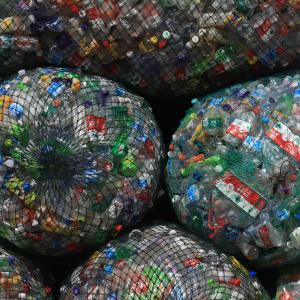
The proposal aims to develop a circular economy approach for waste-to-energy conversion by upcycling local plastic and metal waste into multifunctional catalysts for green hydrogen generation. WPlast2H2 combines materials science, chemistry, and engineering to advance sustainable hydrogen production while addressing barriers in plastic waste utilization.
Posted on

Background

Plastic waste poses one of the most pressing environmental challenges worldwide. At the same time, the global shift to clean energy calls for efficient, affordable, and sustainable hydrogen production technologies.

Traditional catalyst systems for water splitting often rely on expensive, non-abundant materials. Transforming plastic waste (such as PET, PP, and PE) into porous carbons and metal-organic frameworks (MOFs) offers a novel route to generate cost-effective catalysts. Such waste-derived catalysts not only mitigate plastic pollution but also contribute to renewable hydrogen production, supporting circular economy principles.

The project

WPlast2H2 will:

  • Establish a multidisciplinary framework linking waste management and hydrogen generation.
  • Apply Multi-Criteria Decision Making (MCDM) to evaluate barriers and opportunities in regional waste upcycling.
  • Convert plastic and metal wastes into high-surface-area carbon materials and photoactive MOFs.
  • Optimise these materials as catalysts for water splitting under photo- and electro-catalytic conditions.
  • Validate catalyst performance with natural water sources and commercial electrolyser compatibility.
  • Advance development from proof-of-concept (TRL 3) toward demonstration stages (TRL 5–6).

The science

The project integrates synthetic chemistry, catalysis, waste management, and decision modelling. Key scientific goals include:

  • Novel low-temperature conversion methods for plastic waste into porous carbons.
  • Design of MOFs from waste plastics as organic ligand sources.
  • Advanced catalyst testing for electrolysis, photocatalysis, and photoelectrocatalysis.
  • Application of operando characterisation to optimise catalyst structure–function relationships.
  • Linking waste valorisation to green hydrogen pathways in line with UN SDGs and national priorities.

The team

  • Assist. Prof. Esmaeil Doust Khah Heragh (Coordinator), Istinye University (ISU), Turkey
  • Dr. Olga Guselnikova, Centre for Electrochemical Surface Technology, Austria
  • Prof. Makoto Ogawa, Vidyasirimedhi Institute of Science and Technology, Thailand
  • Ján Lancok, Czech Academy of Sciences, Czech Republic


Contact

Assist. Prof. Esmaeil Doust Khah Heragh                       E-Mail: esmail.doustkhah@istinye.edu.tr