Funded Projects

ReTiAM
PROJECT

8th Joint Call: ReTiAM

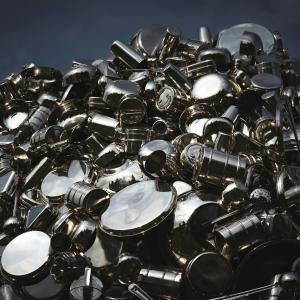
The proposal aims to recycle titanium scraps into feedstock for material-extrusion additive manufacturing (MEX) using environmentally friendly binders. ReTiAM seeks to establish a circular, sustainable, and cost-efficient production chain for titanium components, especially for orthopaedic devices, addressing the growing demand in ageing societies in both Europe and Thailand.
Posted on

Background

Ageing populations in Thailand and Europe are driving a significant increase in demand for orthopaedic implants. By 2040, 30% of Thailand’s population will be over 60 years old, while in Austria and Germany about 30% of people are already in this age group. At present, over 95% of orthopaedic devices in Thailand are imported, creating cost and accessibility challenges.

Lowering the cost of titanium implants while improving patient-specific designs is crucial for faster recovery, healthier lives after surgery, and sustainable healthcare. Recycling titanium scraps into high-quality powder and reducing binder toxicity in additive manufacturing can significantly cut costs, reduce waste, and align with the UN SDGs 3 (Health and Well-being) and 12 (Sustainable Consumption and Production).

The project

ReTiAM will:

  • Develop a novel recycling process for titanium scraps into high-grade powder suitable for MEX (Helmholtz-Zentrum Hereon, Germany).
  • Investigate environmentally friendly bio-based binders for titanium feedstock (Montanuniversitaet Leoben, Austria).
  • Conduct systematic testing of recycled titanium powders with bio-based binders in MEX processes (MTEC and Taisei Kogyo, Thailand).
  • Benchmark recycled feedstock performance against conventional titanium materials.
  • Disseminate results through academic publications, international conferences, and public seminars.

The science

The project combines materials science, powder metallurgy, polymer processing, and additive manufacturing. Key research contributions include:

  • Development of a recycling route for titanium scraps with reduced energy consumption and lower costs.
  • Design of sustainable binders for MEX additive manufacturing.
  • Integration of recycled powder and bio-binders into near-net-shape additive processes.
  • Comprehensive characterisation (SEM, EBSD, TEM, CT-scan, mechanical testing) of recycled titanium feedstocks.
  • Demonstration of the feasibility of recycled, environmentally friendly feedstocks for orthopaedic device applications.

The team

  • Dr. Anchalee Manonukul (Coordinator), National Metal and Materials Technology Center, Thailand
  • Prof. Dr.-Ing. Florian Pyczak, Helmholtz-Zentrum Hereon GmbH, Germany
  • Univ.Prof. Dr. Clemens Holzer, Montanuniversitaet Leoben, Austria
  • Dr. Makiko Tange, Taisei Kogyo Co., Ltd., Thailand


Contact

Dr. Anchalee Manonukul                        E-Mail: anchalm@mtec.or.th 

WPlast2H2
PROJECT

8th Joint Call: WPlast2H2

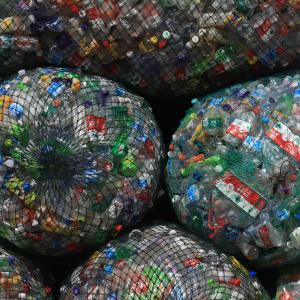
The proposal aims to develop a circular economy approach for waste-to-energy conversion by upcycling local plastic and metal waste into multifunctional catalysts for green hydrogen generation. WPlast2H2 combines materials science, chemistry, and engineering to advance sustainable hydrogen production while addressing barriers in plastic waste utilization.
Posted on

Background

Plastic waste poses one of the most pressing environmental challenges worldwide. At the same time, the global shift to clean energy calls for efficient, affordable, and sustainable hydrogen production technologies.

Traditional catalyst systems for water splitting often rely on expensive, non-abundant materials. Transforming plastic waste (such as PET, PP, and PE) into porous carbons and metal-organic frameworks (MOFs) offers a novel route to generate cost-effective catalysts. Such waste-derived catalysts not only mitigate plastic pollution but also contribute to renewable hydrogen production, supporting circular economy principles.

The project

WPlast2H2 will:

  • Establish a multidisciplinary framework linking waste management and hydrogen generation.
  • Apply Multi-Criteria Decision Making (MCDM) to evaluate barriers and opportunities in regional waste upcycling.
  • Convert plastic and metal wastes into high-surface-area carbon materials and photoactive MOFs.
  • Optimise these materials as catalysts for water splitting under photo- and electro-catalytic conditions.
  • Validate catalyst performance with natural water sources and commercial electrolyser compatibility.
  • Advance development from proof-of-concept (TRL 3) toward demonstration stages (TRL 5–6).

The science

The project integrates synthetic chemistry, catalysis, waste management, and decision modelling. Key scientific goals include:

  • Novel low-temperature conversion methods for plastic waste into porous carbons.
  • Design of MOFs from waste plastics as organic ligand sources.
  • Advanced catalyst testing for electrolysis, photocatalysis, and photoelectrocatalysis.
  • Application of operando characterisation to optimise catalyst structure–function relationships.
  • Linking waste valorisation to green hydrogen pathways in line with UN SDGs and national priorities.

The team

  • Assist. Prof. Esmaeil Doust Khah Heragh (Coordinator), Istinye University (ISU), Turkey
  • Dr. Olga Guselnikova, Centre for Electrochemical Surface Technology, Austria
  • Prof. Makoto Ogawa, Vidyasirimedhi Institute of Science and Technology, Thailand
  • Ján Lancok, Czech Academy of Sciences, Czech Republic


Contact

Assist. Prof. Esmaeil Doust Khah Heragh                       E-Mail: esmail.doustkhah@istinye.edu.tr 

Eco_GeoPrint
PROJECT

8th Joint Call: Eco_GeoPrint

The proposal aims to demonstrate a circular production route for sustainable geopolymer mortar by utilising waste from mineral wool production. Eco_GeoPrint focuses on developing one-part geopolymer mortar adapted for 3D printing, integrating carbon sequestration, and providing a market-ready sustainable construction material.
Posted on

Background

The construction industry is responsible for significant CO₂ emissions and urgently needs alternative low-carbon materials. Geopolymers are gaining traction as sustainable alternatives to Portland cement. However, conventional two-part geopolymers depend on sodium silicate solution, which limits large-scale application.

One-part geopolymers present an innovative alternative, with potential for industrial adoption. Combining industrial waste streams with natural zeolites for carbon sequestration and adapting the resulting mortar for 3D printing can enable both environmental and economic benefits, aligned with circular economy principles.

The project

Eco_GeoPrint will:

  • Utilise mineral wool production waste and kiln ashes as precursors in one-part geopolymer mortar.
  • Develop an in-house sodium silicate activator from waste materials.
  • Incorporate natural zeolites to enhance carbon sequestration in foamed geopolymer mortar.
  • Adapt the designed mortar for 3D printing of pre-cast building elements.
  • Conduct life cycle assessment (LCA) and economic analyses to evaluate environmental and economic feasibility.
  • Build a statistical model to correlate raw material characteristics with performance and carbon capture potential, addressing variability in waste streams.

The science

The project integrates materials science, civil engineering, circular economy, and digital fabrication. Core research aspects include:

  • Development of waste-based activators and sustainable mix designs.
  • Structural, durability, and carbon capture testing of geopolymer mortars.
  • Adaptation of formulations for additive manufacturing (3D printing).
  • Advanced modelling and atomistic simulations to link raw material variability to performance.
  • LCA and techno-economic assessments for industrial scalability.

The team

  • Dr. Kaan Aksoy (Coordinator), Betek Boya ve Kimya Sanayi A.S., Turkey
  • Dr. Muhammad Al Muttaqii, National Research and Innovation Agency, Indonesia
  • Prof. Ubagaram Johnson Alengaram, Universiti Malaya, Malaysia
  • Assoc. Prof. Zeynep Bundur, Özyegin University, Türkiye


Contact:

Dr. Kaan Aksoy                            E-Mail: Kaan.Aksoy@betek.com.tr 

DANE
PROJECT

8th Joint Call: DANE

The proposal aims to explore the dual action of a natural fungal pathogen in controlling the invasive water hyacinth (Eichhornia crassipes) and promoting bio-circular economy opportunities. By combining evolutionary genomics, plant pathology, and material science, DANE seeks to validate Paramyrothecium eichhorniae as a biocontrol agent and develop novel applications of degraded biomass.
Posted on

Background

Water hyacinth is one of the world’s most destructive aquatic weeds, clogging waterways, reducing biodiversity, and impacting local economies. Current management practices rely heavily on costly and environmentally damaging mechanical or chemical methods.

The fungal pathogen Paramyrothecium eichhorniae shows potential as a biological control agent against water hyacinths. At the same time, degraded plant biomass could be repurposed, for example, into bio-composite materials or food/feed after ensuring safety from mycotoxins. Such innovations would link invasive plant management to circular economy strategies.

The project

DANE will:

  • Conduct population and comparative genomics of E. crassipes and P. eichhorniae.
  • Perform pathogenicity assays to evaluate fungal efficacy across different clones of water hyacinth.
  • Explore feasibility of developing bio-composite materials from P. eichhorniae-degraded biomass.
  • Assess safety of degraded material for food and feed by detecting possible mycotoxins.
  • Provide cutting-edge knowledge on fungal biocontrol, enabling future large-scale application.
  • Establish a multidisciplinary collaboration between Thailand, Switzerland, and the Czech Republic.

The science

The project combines evolutionary genomics, plant pathology, and materials research. Core scientific components include:

  • Genomic analyses of pathogen–host interactions.
  • Pathogenicity testing under controlled conditions.
  • Bio-composite material development from fungal-degraded biomass.
  • Mycotoxin detection and safety assessment.

The team

  • Dr. Noppol Kobmoo (Coordinator), National Center for Genetic Engineering and Biotechnology, Thailand
  • Prof. Daniel Croll, University of Neuchatel, Switzerland
  • Dr. Eliška Záveská, Institute of Botany, Czech Academy of Sciences, Czech Republic
  • Assoc. Prof. Jintana Unartgnam, Kasetsart University, Thailand
  • Dr. Awanwee Petchkongkaew, Thammasat University, Thailand


Contact

Dr. Noppol Kobmoo                   E-Mail: noppol.kob@biotec.or.th 

RECO2VER
PROJECT

8th Joint Call: RECO2VER

The proposal aims to utilize industrial and biomass waste-derived catalysts for recycling CO₂ into high-value energy resources and chemicals. By converting waste into catalysts and deploying advanced characterization methods, RECO2VER seeks to close the loop in a circular-green economy and contribute to carbon-neutral societies.
Posted on

Background

The growing urgency of reducing carbon emissions has placed carbon capture, utilization, and storage (CCUS) at the forefront of climate mitigation. Recycling CO₂ into fuels and fine chemicals is crucial to achieve net zero emissions. However, the high cost and limited availability of efficient catalysts remain key bottlenecks.

Waste materials from agriculture, sludge, and industrial processes such as spent battery components represent underutilized resources that can be transformed into catalysts. Leveraging such waste not only provides cost-effective catalyst solutions but also minimizes environmental impact and waste generation.

The project

RECO2VER will:

  • Develop novel, cost-efficient catalysts derived from biomass, sludge, and industrial waste.
  • Employ advanced characterization methods (XAS, NAP-XPS, DRIFTS, DR-UV-vis) to understand catalyst structure and performance.
  • Convert CO₂ into synthetic fuels and fine chemicals through sustainable catalytic processes.
  • Apply a life cycle analysis (LCA) to evaluate environmental impact and ensure sustainable design.
  • Strengthen cooperation between Southeast Asian and European partners to advance green circular economy pathways.

The science

The project integrates catalysis, materials science, nanotechnology, and environmental analysis. Key research dimensions include:

  • Synthesis of waste-derived catalysts and optimization for CO₂ conversion.
  • Operando and in-situ characterization to design more efficient catalysts.
  • Development of catalytic processes for CO₂-to-fuels and CO₂-to-chemicals pathways.
  • Assessment of sustainability through LCA to align with circular economy principles.

The team

  • Dr. Pongtanawat Khemthong (Coordinator), National Nanotechnology Center, Thailand
  • Assoc. Prof. Dr. Karin Föttinger, Technische Universität Wien, Austria
  • Dr. Angga Hermawan, National Research and Innovation Agency, Indonesia
  • Dr. Ali M. Abdel-Mageed, Leibniz Institute for Catalysis, Rostock, Germany


Contact

Dr. Pongtanawat Khemthong                              E-Mail: pongtanawat@nanotec.or.th


PROJECT

8th Joint Call: BES4H2

The proposal aims to produce green hydrogen from wastewater using bioelectrochemical systems (BESs). By integrating electrochemical and biological processes, BES4H2 develops innovative technologies that transform wastewater into a valuable resource for reuse, recycling, and clean energy generation, contributing to the circular economy.

Background

The global shift towards a hydrogen society is central to addressing climate change, pollution, and energy security. Hydrogen produced from renewable resources is a key element in decarbonisation strategies. Wastewater, traditionally seen as waste, can instead be harnessed as a renewable resource.

Bioelectrochemical systems (MFCs and MECs) show great promise for wastewater valorisation, but challenges in scalability, system optimization, and economic feasibility remain. Addressing these barriers is essential to move BES from laboratory-scale research to real-world applications.

The project

BES4H2 will:

  • Develop cost-effective electrode pairs using non-precious metal catalysts via electrodeposition.
  • Design and test multipurpose membranes for proton transport with high resistance and selectivity, including applications in hydrogen purification.
  • Optimise system design and operation using computational modelling, validated by experimental data.
  • Conduct pre-pilot testing with industrial wastewater to evaluate performance and hydrogen yields.
  • Assess environmental, social, and economic impacts through life-cycle and socio-technical analysis.

The science

The project integrates electrochemistry, microbiology, engineering, and sustainability sciences. Core innovations include:

  • Novel electrode materials with enhanced catalytic performance and durability.
  • Advanced multipurpose membranes for energy-efficient proton transfer.
  • Hybrid computational–experimental approaches for design optimisation.
  • Pre-pilot testing with real wastewater streams to ensure scalability.
  • Comprehensive evaluation of environmental, economic, and social impacts to support circular economy adoption.

The team

  • Dr. Korakot Sombatmankhong (Coordinator), National Energy Technology Center (ENTEC), Thailand
  • Prof. Patricia Luis Alconero, Université catholique de Louvain, Belgium
  • Dr. Muhammad Khristamto Aditya Wardana, National Research and Innovation Agency, Indonesia


Contact

Dr. Korakot Sombatmankhong                            E-Mail: korakot.som@entec.or.th 
SeaWHY
PROJECT

8th Joint Call: SeaWHY

The proposal aims to develop advanced seawater electrolysis technologies for the production of green hydrogen. By using abundant seawater resources and new electrolysis materials, SeaWHY seeks to lower costs, reduce reliance on scarce catalysts, and accelerate the transition toward net-zero energy systems.
Posted on

Background

Global energy demand is projected to reach nearly 26 TW by 2040. Both Europe and Asia are undergoing a major transition from fossil fuel dependence to renewable, sustainable energy systems, in line with the UN SDGs (particularly SDG 7: “Affordable and Clean Energy”), the European Green Deal, and the Circular Economy Action Plan.

Hydrogen is widely regarded as a key pathway to achieving carbon neutrality by 2050, with an estimated demand of 500 million tons of renewable hydrogen. However, today’s electrolyser technologies remain costly compared to fossil-based hydrogen production. While PEM electrolysis is commercialized, its reliance on scarce iridium hinders cost reductions. Alkaline and AEM electrolysis offer lower-cost options but require further development for durability, efficiency, and commercial uptake.

The direct use of seawater as an electrolyte represents a breakthrough opportunity: it is abundant, widely available, and could significantly reduce production costs for green hydrogen.

The project

SeaWHY will:

  • Develop new electrode materials and catalysts for seawater electrolysis across PEM, alkaline, and photoelectrochemical technologies.
  • Test seawater electrolysis at different concentrations to identify optimal conditions.
  • Advance durability, performance, and cost reduction strategies for AEM and PEM electrolysers.
  • Explore photoelectrochemical approaches to combine renewable solar energy with seawater electrolysis.
  • Build regional cooperation between partners in Europe (Turkey, Bulgaria) and Southeast Asia (Malaysia, Brunei) for knowledge transfer and technology demonstration.

The science

The project combines electrochemistry, nanomaterials, catalysis, and renewable energy systems. Key research aspects include:

  • Development of transition-metal catalysts (e.g. Ni, Ti, Mn, Zr, phosphides, oxides) for efficient seawater electrolysis.
  • Design of selective, corrosion-resistant electrodes suited for real seawater conditions.
  • Testing of new electrolysis cell designs to improve performance and durability.
  • Integration of seawater electrolysis with broader circular economy and net-zero energy strategies.

The team

  • Assoc. Prof. Mehmet Suha Yazici (Coordinator), Istanbul Technical University (ITU), Turkey
  • Dr. Nordin Bin Hj. Sabli, Universiti Putra Malaysia, Malaysia
  • Dr. Dzhamal Uzun, Institute of Electrochemistry and Energy Systems, Bulgaria
  • Dr. Abdul Hanif Mahadi, Universiti Brunei Darussalam, Brunei


Contact

Assoc. Prof. Mehmet Suha Yazici                       E-Mail: syazici@itu.edu.tr 

OptiCWaste
PROJECT

8th Joint Call: OptiCWaste

The proposal aims to develop a decision support tool for recovery and recycling of plastic waste and biogenic residues in order to close carbon circularity gaps and maximize climate mitigation potential. OptiCWaste focuses on mapping carbon flows, identifying optimal recovery technologies, and building roadmaps for sustainable regional waste management in Southeast Asia and Europe.
Posted on

Background

Solid waste recycling is a strategic sector for conserving resources, protecting human health, and ensuring raw material security. Plastics and biogenic materials form a significant share of municipal, agricultural, and industrial waste streams and are at the centre of ambitious recycling goals in both Europe and Southeast Asia.

Effective policy planning requires reliable databases on waste and residue flows, management schemes, and technologies. Equally important are operational protocols and decision support to guide municipalities and stakeholders in implementing waste strategies that maximize climate benefits.

The project

OptiCWaste will:

  • Map carbon flows in major waste and residue streams.
  • Develop an operative decision support tool (based on MFA and LCA) for identifying climate-optimal recovery and recycling schemes.
  • Carry out case studies in Germany, Thailand, and Indonesia to test and validate approaches.
  • Compare enabling and limiting factors from successful waste management practices across different socio-economic settings.
  • Co-develop roadmaps for sustainable waste management with local stakeholders.
  • Build capacities at the municipal and regional levels for implementing circular economy strategies.

The science

The project combines Material Flow Analysis (MFA), Life Cycle Assessment (LCA), stakeholder analysis, and scenario modelling to evaluate waste management systems. By integrating scientific methods with participatory approaches, OptiCWaste will:

  • Quantify carbon flows in waste systems.
  • Identify optimal recycling and recovery technologies for plastics and biogenic residues.
  • Link system analysis with climate mitigation and circular economy goals.
  • Deliver an MFA-based decision tool and regional roadmaps for circular waste management.

The team

  • Prof. Dr. David Laner (Coordinator), University of Kassel, Germany
  • Dr. Johann Fellner, TU Wien, Austria
  • Dr. Awassada Phongphiphat, KMUTT, Thailand
  • Dr. Edi Munawar, Universitas Syiah Kuala, Indonesia


Contact:

Prof. Dr. David Laner                 E-Mail: david.laner@uni-kassel.de 

CRIFS
PROJECT

7th Joint Call: CRIFS

The proposal aims to develop climate-resilient integrated farming systems (IFS) at the interface of research, education, and practice in Southeast Asia. CRIFS combines research, education, and field implementation in Switzerland, Cambodia, and Lao PDR to strengthen small-scale farms, improve resilience to climate change, and integrate new knowledge into higher education curricula.
Posted on

Background

Small-scale farms dominate Southeast Asian agriculture, providing essential contributions to food production, ecosystem health, and rural livelihoods. These farms are under increasing threat from unsustainable land use, landscape transformation, floods, droughts, and pests, all of which are amplified by climate change. Such risks endanger food systems, human and ecosystem health, infrastructure, and land value.

To counter these risks, new development pathways are required, co-designed by research, education, and practice. Integrated Farming Systems (IFS), with their systemic perspective on landscapes, offer potential solutions for climate-resilient farming. They provide opportunities to sustain livelihoods, safeguard ecosystems, and increase resilience to extreme weather events.

The project

The CRIFS project aims to:

  • Co-develop and test climate-resilient IFS with local farmers and stakeholders in Cambodia and Lao PDR.
  • Design strategies for mainstreaming and scaling up IFS beyond the farm level.
  • Develop planning tools for local-level IFS adaptation to different agro-ecological zones and climate scenarios.
  • Integrate knowledge and competences into curricula of higher education institutions and training for extension services and policymakers in Cambodia and Lao PDR.
  • Advance sustainability pathways in line with the UN 2030 Agenda.

A mixed-methods, inter- and transdisciplinary research approach will be used, including participatory workshops, scientific monitoring, and stakeholder engagement.

The science

CRIFS addresses climate change resilience and adaptation in agriculture by linking applied research, field practice, and education. It will:

  • Generate evidence on IFS performance under climate change conditions.
  • Test and evaluate resilience of farms in participatory settings.
  • Promote Education for Sustainable Development by embedding project outcomes in higher education curricula and training programs.
  • Advance sustainability science through collaboration between European and Southeast Asian partners.

The team

  • Dr. Julie Gwendolin Zaehringer (Coordinator), University of Bern, Switzerland
  • Bounthanom Bouahom, National Agriculture, Forestry and Rural Development Research Institute, Lao PDR
  • Sayvisene Boulom, National University of Laos, Lao PDR
  • Tim Sophea, Royal University of Agriculture, Cambodia


Contact:
Dr. Julie Gwendolin Zaehringer                           E-Mail: julie.zaehringer@unibe.ch 

Seafood-NP-NT
PROJECT

7th Joint Call: Seafood-NP-NT

The proposal aims to develop an innovative nanotechnology approach for shrimp (Litopenaeus vannamei and Macrobrachium rosenbergii) shelf-life extension using plant-based bioactive compounds. The project focuses on natural, sustainable alternatives to chemical additives and applies nanotechnology to enhance effectiveness and stability.
Posted on

Background

Southeast Asia is the global hub for shrimp aquaculture, particularly L. vannamei, P. monodon, and M. rosenbergii, and is the top exporter to the EU. The global shrimp market is projected to grow to 23.4 billion US-Dollar by 2026. However, shrimp are highly vulnerable to rapid postharvest quality changes such as melanosis (blackening), microbial spoilage, and chemical deterioration during storage and transport.

Currently, sodium metabisulfites are widely used to prevent quality loss, but they pose health risks, especially for individuals with asthma. Thus, safe and effective natural alternatives are urgently needed. Plant polyphenols from sources such as green tea, guava leaves, and mango leaves show antioxidant, antimicrobial, and anti-melanosis properties and can be extracted from agricultural processing waste (APW).

The project

Seafood-NP-NT aims to:

  • Extract and characterise polyphenols from APW (mango leaves, soursop leaves, bay leaves, green tea waste).
  • Select bioactive extracts with strong antioxidant and antimicrobial activities and standardise them.
  • Test their effect on melanosis inhibition and shelf-life extension of L. vannamei and M. rosenbergii during storage.
  • Evaluate dietary supplementation effects on shrimp performance and post-harvest quality.
  • Apply nanotechnology (nano-liposomes, nano-phytosomes, nanofiber sheets for intelligent packaging) to improve stability, bioavailability, and controlled release of bioactive extracts.
  • Validate the effectiveness of nanoengineered bioactives in real shrimp storage conditions.

The science

The project brings together food science, nanotechnology, aquaculture, and microbiology. Key research areas include:

  • Polyphenol extraction from waste biomass and testing of antioxidant, antimicrobial, and PPO inhibitory activities.
  • Application of nano-delivery systems (liposomes, phytosomes) to enhance the stability and efficiency of plant bioactives.
  • Development of nanofiber-based intelligent packaging to extend shrimp shelf-life.
  • Testing dietary interventions during shrimp farming to improve resistance to melanosis.

The team

  • Dr. Nilesh Nirmal (Coordinator), Mahidol University, Thailand
  • Assoc. Prof. Dr. Furkan Saricaoglu, Bursa Technical University, Turkey
  • Assoc. Prof. Dr. Nor Khaizura Mahmud Ab Rashid, Universiti Putra Malaysia, Malaysia
  • Assoc. Prof. Dr. Nurul Ulfah Karim, Universiti Malaysia Terengganu, Malaysia
  • Dr. Wonnop Visessanguan, BIOTEC, Thailand


Contact

Dr. Nilesh Nirmal                        E-Mail: nilesh.nir@mahidol.ac.th 

SuSPack
PROJECT

7th Joint Call: SuSPack

The proposal aims to develop a sustainable and smart food packaging system that not only enhances sustainability but also provides real-time monitoring and traceability of packaged food. SuSPack combines bioplastics, natural pigments, and smart sensors to reduce food waste and improve consumer safety.
Posted on

Background

Global food security is increasingly threatened by climate change, population growth, and industrialization. Preventing food waste is a crucial part of addressing this challenge, especially at the consumption stage, where misinterpretation of expiration dates often leads consumers to discard edible products. Traditional packaging does not provide real-time freshness information, leaving consumers reliant solely on expiry labels.

Eco-innovations that use waste and by-products as resources can help mitigate these problems. If packaging could reliably indicate food freshness in real time, it would reduce food waste, enhance consumer safety, and contribute to sustainability.

The project

SuSPack proposes to:

  • Use anthocyanins extracted from grape pomace to create printing inks for smart QR labels that provide both traceability and freshness monitoring.
  • Incorporate ZIF-8 into inkjet indicator inks to enhance colourimetric response and sensitivity to food spoilage.
  • Combine smart QR barcodes with a mobile app, allowing consumers to scan and monitor freshness in real time.
  • Employ bioplastics to fabricate packaging components, enhancing environmental sustainability.
  • Demonstrate a proof-of-concept system that can be scaled to industrial food packaging applications.

The science

SuSPack brings together food engineering, materials science, chemistry, and digital tools. Key research areas include:

  • Development of smart QR barcodes with colourimetric indicators for freshness detection.
  • Integration of smartphone apps with packaging for real-time monitoring.
  • Optimisation of anthocyanin-based inks and enhancement of sensitivity with nanomaterials (ZIF-8).
  • Application of bioplastics in packaging components to reduce environmental impact.
  • Exploration of novel methodologies for scalable, industry-ready smart packaging solutions.

The team

  • Assistant Prof. Leyla Kahyaoglu (Coordinator), Middle East Technical University (METU), Turkey
  • Dr. Anis Khairuddin, University of Malaya, Malaysia
  • Prof. Alberto Romero, University of Sevilla, Spain
  • Dr. Banu Sezer, NANOSENS, Turkey


Contact:

Assistant Prof. Leyla Kahyaoglu                          E-Mail: kaleyla@metu.edu.tr