8th Joint Call: RECO2VER
Background
The growing urgency of reducing carbon emissions has placed carbon capture, utilization, and storage (CCUS) at the forefront of climate mitigation. Recycling CO₂ into fuels and fine chemicals is crucial to achieve net zero emissions. However, the high cost and limited availability of efficient catalysts remain key bottlenecks.
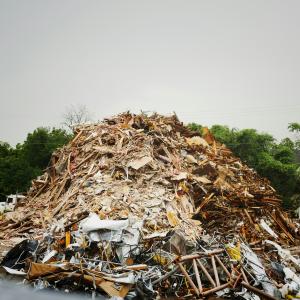
Waste materials from agriculture, sludge, and industrial processes such as spent battery components represent underutilized resources that can be transformed into catalysts. Leveraging such waste not only provides cost-effective catalyst solutions but also minimizes environmental impact and waste generation.
The project
RECO2VER will:
- Develop novel, cost-efficient catalysts derived from biomass, sludge, and industrial waste.
- Employ advanced characterization methods (XAS, NAP-XPS, DRIFTS, DR-UV-vis) to understand catalyst structure and performance.
- Convert CO₂ into synthetic fuels and fine chemicals through sustainable catalytic processes.
- Apply a life cycle analysis (LCA) to evaluate environmental impact and ensure sustainable design.
- Strengthen cooperation between Southeast Asian and European partners to advance green circular economy pathways.
The science
The project integrates catalysis, materials science, nanotechnology, and environmental analysis. Key research dimensions include:
- Synthesis of waste-derived catalysts and optimization for CO₂ conversion.
- Operando and in-situ characterization to design more efficient catalysts.
- Development of catalytic processes for CO₂-to-fuels and CO₂-to-chemicals pathways.
- Assessment of sustainability through LCA to align with circular economy principles.
The team
- Dr. Pongtanawat Khemthong (Coordinator), National Nanotechnology Center, Thailand
- Assoc. Prof. Dr. Karin Föttinger, Technische Universität Wien, Austria
- Dr. Angga Hermawan, National Research and Innovation Agency, Indonesia
- Dr. Ali M. Abdel-Mageed, Leibniz Institute for Catalysis, Rostock, Germany
Contact
Dr. Pongtanawat Khemthong E-Mail: pongtanawat@nanotec.or.th
PROJECT
8th Joint Call: BES4H2
The proposal aims to produce green hydrogen from wastewater using bioelectrochemical systems (BESs). By integrating electrochemical and biological processes, BES4H2 develops innovative technologies that transform wastewater into a valuable resource for reuse, recycling, and clean energy generation, contributing to the circular economy.
Background
The global shift towards a hydrogen society is central to addressing climate change, pollution, and energy security. Hydrogen produced from renewable resources is a key element in decarbonisation strategies. Wastewater, traditionally seen as waste, can instead be harnessed as a renewable resource.
Bioelectrochemical systems (MFCs and MECs) show great promise for wastewater valorisation, but challenges in scalability, system optimization, and economic feasibility remain. Addressing these barriers is essential to move BES from laboratory-scale research to real-world applications.
The project
BES4H2 will:
- Develop cost-effective electrode pairs using non-precious metal catalysts via electrodeposition.
- Design and test multipurpose membranes for proton transport with high resistance and selectivity, including applications in hydrogen purification.
- Optimise system design and operation using computational modelling, validated by experimental data.
- Conduct pre-pilot testing with industrial wastewater to evaluate performance and hydrogen yields.
- Assess environmental, social, and economic impacts through life-cycle and socio-technical analysis.
The science
The project integrates electrochemistry, microbiology, engineering, and sustainability sciences. Core innovations include:
- Novel electrode materials with enhanced catalytic performance and durability.
- Advanced multipurpose membranes for energy-efficient proton transfer.
- Hybrid computational–experimental approaches for design optimisation.
- Pre-pilot testing with real wastewater streams to ensure scalability.
- Comprehensive evaluation of environmental, economic, and social impacts to support circular economy adoption.
The team
- Dr. Korakot Sombatmankhong (Coordinator), National Energy Technology Center (ENTEC), Thailand
- Prof. Patricia Luis Alconero, Université catholique de Louvain, Belgium
- Dr. Muhammad Khristamto Aditya Wardana, National Research and Innovation Agency, Indonesia
Contact
Dr. Korakot Sombatmankhong E-Mail: korakot.som@entec.or.th